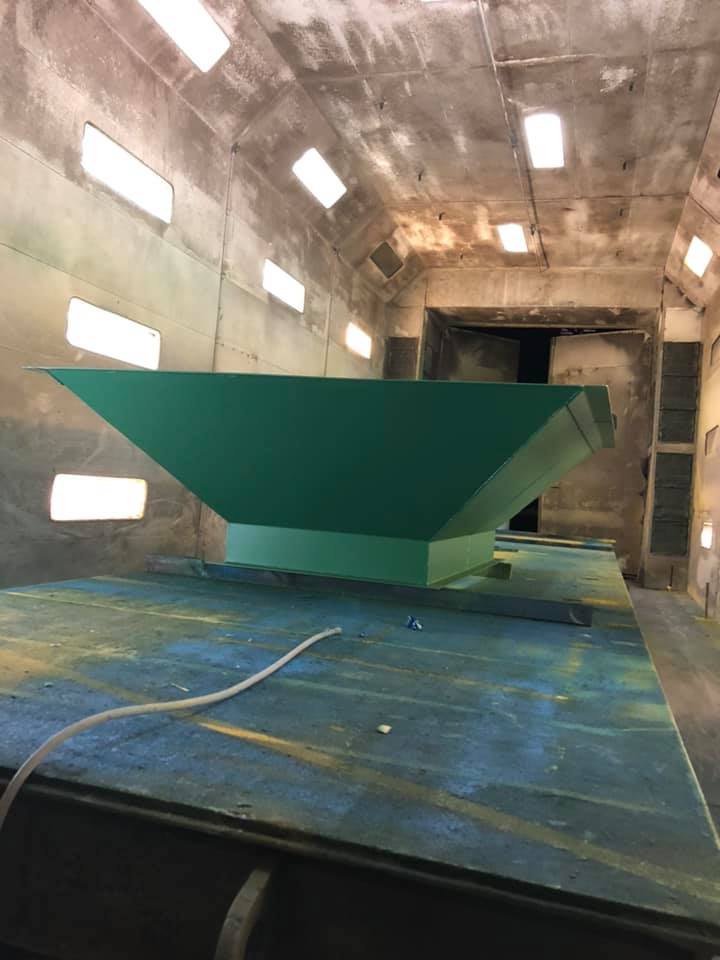
The Green Revolution in Welding: How J & K Morris is Leading the Way with Eco-Friendly Practices May 28, 2026
As one of the pillars of modern industrial work, welding is often associated with high energy consumption and emissions. However, J & K Morris is committed to changing this perception by adopting strategies that significantly reduce their carbon footprint. The company's dedication to sustainability is driven by an understanding of the severe environmental impact traditional welding methods can have, motivating them to implement forward-thinking initiatives.
One of the most impactful shifts J & K Morris has made is the transition to energy-efficient welding equipment. By upgrading their machinery, they have drastically cut down on the power required for their operations. This not only conserves energy but also reduces operational costs, a benefit that is passed down to their customers. Energy-efficient equipment often results in less heat production, which minimizes wasted resources and contributes to a safer workplace environment.
Beyond upgrading their tools, J & K Morris has embraced innovative techniques, such as high-efficiency consumables. These advancements are becoming industry standards due to their ability to reduce waste. Traditional welding often results in leftover materials that are either discarded or recycled with difficulty. In contrast, high-efficiency consumables are designed to be used entirely, leaving little to no waste. This reduces the environmental burden and showcases how small changes can have significant impacts.
Recycling plays a crucial role in J & K Morris's eco-friendly strategies. All excess metal and by-products from the welding process are meticulously sorted and repurposed. By maintaining strict recycling protocols, J & K Morris ensures that nothing is unnecessarily sent to landfills. The company collaborates with recycling partners who specialize in processing metal waste, further ensuring that their recycling processes meet the highest sustainability standards.
Additionally, J & K Morris has focused on employee education to further their green objectives. Regular training sessions are held to keep the staff informed about the latest eco-friendly techniques and the importance of sustainability in the welding industry. By fostering a culture of environmental awareness, the company not only enhances operational efficiency but also empowers employees to suggest new eco-conscious methods.
The journey to sustainable industrial solutions is ongoing, and J & K Morris Machine and Fabrication is committed to leading the charge. Their proactive approach goes beyond just improving their immediate operations. They are setting an example for others in the commercial welding industry, showing that environmental responsibility and industrial success are not mutually exclusive.
In conclusion, embracing eco-friendly practices in welding is more than just a trend for J & K Morris—it is a responsibility to the environment and their community. By continuously evolving and implementing sustainable practices, J & K Morris is not only improving their business operations but also contributing to a healthier planet. Customers can feel confident knowing that by choosing J & K Morris, they are supporting a company prioritizing both quality service and environmental stewardship. As the industry continues to evolve, J & K Morris will undoubtedly remain at the forefront, championing a greener future in welding.
/filters:no_upscale()/filters:format(webp)/media/a97c9d65-157b-44d8-a49b-3152cf5ed48f.jpg)